
The Audio Production Magic of The Graham Norton Show
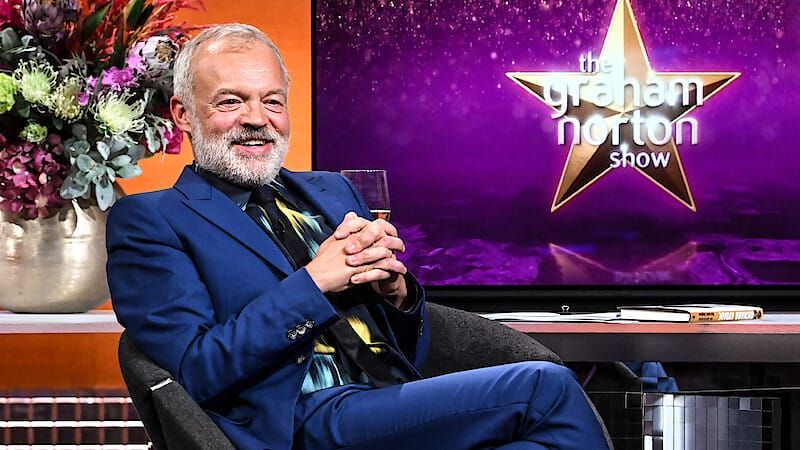
How BBC's flagship talk show delivers pristine sound week after week in one of television's most demanding audio environments
For over two decades, The Graham Norton Show has been appointment television for millions of viewers worldwide. But while audiences tune in for celebrity banter and Norton's quick wit, audio professionals know the real story happens in the control room—where a dedicated team ensures every laugh, every musical performance, and every perfectly-timed quip reaches viewers with broadcast-quality clarity.
The Unique Challenges of Live-to-Tape Talk Shows
Unlike traditional talk shows recorded in multiple segments, The Graham Norton Show tapes continuously in front of a live studio audience at The London Studios (and previously at BBC Television Centre). This live-to-tape format creates a unique set of audio challenges that demand both technical excellence and split-second decision-making.
"You're essentially mixing a live show with post-production quality expectations," explains one veteran television audio engineer familiar with the format. "There's no safety net. When Graham is bouncing between four A-list guests, audience reactions, and surprise musical moments, your mix has to be perfect in real-time."
The Multi-Microphone Ballet
The show's audio infrastructure centers around a sophisticated multi-microphone system that must capture:
Guest Microphones: Each guest wears a premium wireless lavalier microphone, typically high-end units from manufacturers like Sennheiser or Shure. These must deliver consistent levels despite guests leaning back, gesturing wildly, or turning to address each other rather than facing forward.
Host Coverage: Norton himself is equipped with multiple mic sources—primary and backup wireless systems, plus strategically placed boundary microphones on his desk to capture those moments when he leans in for emphasis or moves unpredictably during particularly animated segments.
Audience Microphones: Capturing authentic audience reaction is crucial to the show's energy. A carefully positioned array of overhead microphones, often shotgun mics mounted on the lighting grid, picks up crowd response without the muddiness that comes from over-reliance on area mics.
Musical Performance: When artists perform, the setup transforms completely. Pperformers require a full concert-grade mixing approach, often with 24+ channels for a single performance, all integrated seamlessly into the show's broadcast mix.
The Mixing Philosophy
The audio team employs a layered approach to ensure clarity despite the controlled chaos:
Dynamic Range Management: Unlike heavily compressed radio broadcasts, television audio requires preserving dynamic range while ensuring dialogue intelligibility. Multiband compression and careful gain staging keep voices present without sacrificing the natural energy of laughter and applause.
Priority Routing: Sophisticated console automation allows instant priority shifts. When Norton delivers a punchline, his mic automatically takes precedence. When a guest tells a story, their channel moves front and center—all while maintaining the ambient energy of the studio.
Spatial Awareness: Subtle panning and reverb treatments create a sense of space that helps viewers place each person on the famous red couch, even when watching on television. This spatial mixing is carefully balanced to work on everything from cinema-quality home theaters to laptop speakers.
The Technical Infrastructure
While BBC maintains discretion about specific technical specifications, industry professionals recognize the hallmarks of a world-class audio production:
- Digital mixing consoles from manufacturers like Calrec or Studer, offering the automation and recall capabilities essential for consistent week-to-week production
- RF coordination systems managing dozens of wireless frequencies without interference, crucial in London's congested RF environment
- Redundant signal paths ensuring that technical failures never reach air—backup microphones, duplicate signal processors, and failover systems operate invisibly
- Integration with broadcast infrastructure allowing seamless handoff between the taped show segments, pre-recorded packages, and commercial breaks
The Post-Production Polish
Although the show records continuously, a skilled post-production team refines the audio before broadcast. This includes:
- Removing unwanted noise and technical artifacts
- Balancing levels across segments for consistent viewer experience
- Ensuring music performances meet broadcast loudness standards
- Creating clean audio stems for international distribution and accessibility requirements
Lessons for Production Professionals
The Graham Norton Show's audio excellence offers valuable insights for anyone working in live or live-to-tape production:
Preparation Prevents Problems: The team's meticulous pre-show checks and rehearsals catch issues before recording begins. Every microphone is tested, every wireless frequency verified, every backup system confirmed operational.
Flexibility Within Structure: While protocols guide the production, the audio team must adapt instantly when Norton improvises or guests create unexpected moments. This requires both technical mastery and creative instinct.
Collaboration is Critical: Audio doesn't work in isolation. Constant communication with cameras, lighting, stage management, and post-production ensures everyone works toward the same goal—creating compelling television.
Invest in Quality: The show's commitment to premium equipment and experienced professionals pays dividends in reduced technical issues and superior sound quality that viewers may not consciously notice but certainly would miss if it degraded.
The Invisible Art
Perhaps the greatest compliment to The Graham Norton Show's audio team is that viewers rarely think about the sound at all. Norton's voice is always clear. The audience reaction feels natural. Musical performances sound polished. The whole production feels effortless—which is, of course, the result of meticulous technical craft operating at the highest level.
For audio professionals, the show represents a masterclass in handling complexity with grace. It's a reminder that in television production, the best audio work is often the most invisible—present, powerful, and perfectly executed, but never calling attention to itself.
As the show continues delighting audiences around the world, the audio team remains focused on their core mission: ensuring that every joke lands, every story resonates, and every performance shines, all delivered with the technical excellence that British broadcasting has made its reputation upon.
Graham Norton website - www.bbc.co.uk/programmes/b006xnzc